
From Snapshots to Masterpieces: How Digital Editing Transforms Modern Photography
The difference between a forgettable snapshot and a compelling image often lies in what happens after the shutter clicks. Here's how digital editing transforms raw captures into polished, professional visuals.

Every photograph tells a story — but the final image you share is often only the beginning of the narrative. In today's visual world, where first impressions are made in milliseconds, the difference between a forgettable snapshot and a compelling image often lies in what happens after the shutter clicks. Digital photo editing has evolved from a niche skill into an essential part of the creative process, empowering photographers to refine tone, correct imperfections, and elevate composition with precision.
Whether capturing the soft glow of golden hour in a rural Michigan landscape or showcasing the clean lines of a modern home interior, digital editing allows creators to align their final image with their original vision.
Unlocking Creative Potential: How Digital Editing Transforms Ordinary Shots into Art
Digital photo editing has evolved from a technical afterthought into a fundamental pillar of modern photography, empowering creators to elevate raw captures into compelling visual stories. Editing is no longer just about correcting exposure or white balance — it's a dynamic process that enhances image quality, refines composition, and brings creative vision to life with precision and purpose.
One of the greatest advantages of digital editing is the ability to rescue and refine images that might otherwise be discarded. Whether it's recovering shadow detail in a dimly lit interior, removing distractions from a busy background, or adjusting perspective in architectural shots, editing tools provide the control needed to produce clean, professional results.
Key benefits include:
- Non-destructive workflows that preserve original files while allowing unlimited revisions
- Batch editing to maintain consistent looks across galleries, ideal for social media or client deliverables
- AI-assisted tools that speed up repetitive tasks like sky replacement or skin retouching without sacrificing quality
From Raw Capture to Refined Art: Before vs. After
Unedited Limitations
- Colors often appear flat or inaccurate, especially under mixed lighting
- Dynamic range may be clipped, losing detail in shadows or highlights
- Composition can feel unbalanced, with distracting backgrounds or weak focal points
- Skin tones in portraits may show uneven texture or unnatural hues
- Architectural or real estate shots frequently suffer from perspective distortion or dull skies
Edited Advantages
- Exposure & Contrast: Corrected for balanced tonality, enhancing depth without noise
- Color Grading: Tailored palettes that evoke mood — warm ambers for nostalgic feels, cool tones for modern minimalism
- Selective Enhancements: Tools like dodge and burn emphasize dimension, while sharpening preserves fine textures
- Sky Replacement & Background Refinement: Transform overcast Michigan afternoons into golden-hour backdrops seamlessly
- Perspective Correction: Align verticals in storefronts or heritage buildings for professional realism
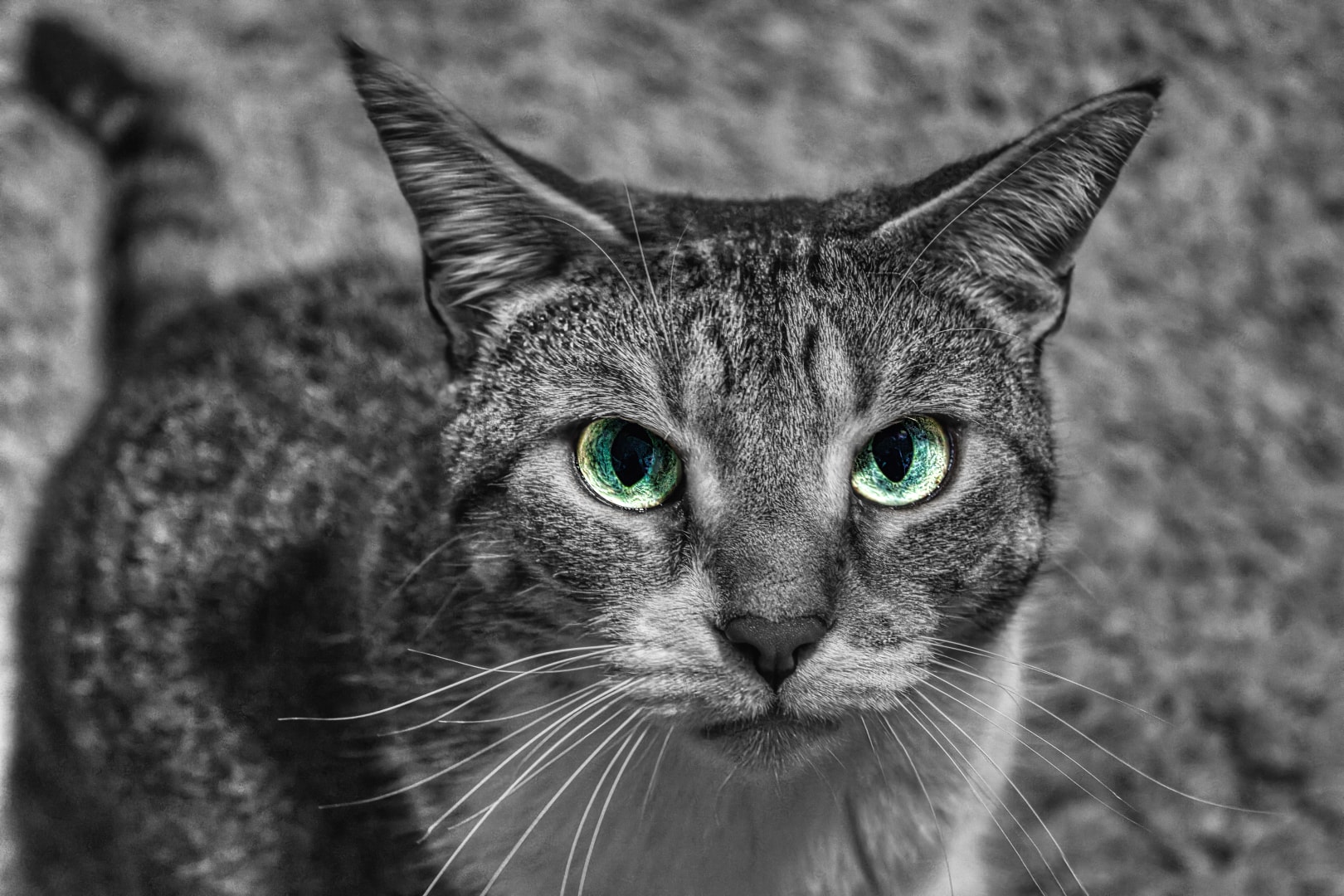
5 Ways Digital Editing Tools Save Time and Elevate Your Photography
- Automated Batch Processing for Faster Turnarounds — Apply adjustments across multiple images with a single click using presets tailored to common scenarios like golden hour portraits or indoor real estate shots.
- AI-Powered Masking for Precision Without the Effort — AI tools intelligently detect and separate elements, allowing for targeted adjustments in seconds — no more painstakingly hand-drawing masks.
- Consistent Color Grading Across Projects — Editable templates and style syncing ensure every image aligns with your visual identity, regardless of when or where it was shot.
- Non-Destructive Editing for Future-Proof Flexibility — Every change stays reversible. Sliders, layers, and adjustment brushes don't alter the original RAW file, so you can revisit projects months later.
- Smart Tools That Reduce Technical Learning Curves — One-click enhancements, composition guides, and auto-correction features empower emerging photographers to achieve professional results faster.
Frequently Asked Questions About Digital Photo Editing
Does digital editing compromise the authenticity of a photograph?
Digital editing, when used responsibly, enhances rather than distorts reality. The goal is often to correct technical flaws — like exposure imbalances or color casts — while preserving the scene's natural essence.
Is photo editing only for professionals?
Not at all. With intuitive AI tools, even beginners can achieve polished results. One-click enhancements, auto-correction features, and guided presets make it easy for hobbyists, real estate agents, or small business owners to produce high-quality visuals without deep technical knowledge.
Can over-editing hurt my images?
Yes. Excessive sharpening, saturation, or noise reduction can introduce artifacts and unnatural tones. Always edit with subtlety and use non-destructive techniques so you can refine adjustments later.
How can I maintain a consistent style across my portfolio?
Use custom presets or templates tailored to specific genres — like golden-hour landscapes or interior real estate shots. Apply them consistently, then fine-tune per image to preserve uniqueness without losing cohesion.
The Essential Role of Digital Editing in Modern Photography
Digital photo editing is no longer an optional step — it's a foundational element of professional photography. From correcting minor imperfections to transforming raw captures into compelling visual narratives, editing empowers photographers to align their final images with their creative intent.
Advanced features like AI-powered masking, non-destructive layering, and intelligent sky replacement streamline workflows, allowing faster turnarounds without sacrificing quality. Whether you're editing interior shots for a real estate client or refining outdoor portraits, digital editing ensures technical precision and artistic cohesion.
- Audit your editing process to identify repetitive tasks ideal for automation
- Adopt non-destructive techniques to preserve image integrity
- Use AI tools as creative collaborators — not replacements for your vision
Mastering digital photo editing unlocks consistency, speed, and professionalism. Want to see the difference expert editing makes? Browse the Atelier Lens portfolio or book a session today.
Book a SessionSee the results of expert editing across pet portraits, weddings, events, and commercial work.
Browse the PortfolioBook a personal session — pet portraits, weddings, elopements, and fine art prints.
Book a SessionRelated Pages
Ready to Work Together?
Let's Create Something Timeless
Veteran-owned studio in New Baltimore, MI. Serving Macomb County, St. Clair County, and Southeast Michigan. Every session starts with a conversation.